
Fire safety clothing is protective workwear designed to reduce the risk of serious burns and other thermal injuries when a worker is exposed to flames, flash fires, or intense heat.
When it is properly selected, certified, worn, and maintained, fire-resistant (FR) clothing is safe and can provide valuable protection. However, it is not fireproof and cannot make a worker safe in every fire situation. In 2024, 93 fatal workplace injuries in the US involved explosions and fires, showing why appropriate protection can matter.
Key Takeaways
- Fire safety clothing is designed to resist ignition and limit the severity of burn injuries during specific thermal exposures.
- Properly certified FR clothing is safe when it is selected for the correct hazard and worn as intended.
- FR clothing does not replace other safety measures, such as hazard controls, training, safe work procedures, and emergency planning.
What Is Fire Safety Clothing?
Fire safety clothing is clothing made or tested to provide protection against specific heat and flame hazards. It can include FR hoodies, shirts, pants, coveralls, jackets, and other protective garments.
Unlike ordinary clothing, FR garments are designed to resist burning and help limit the spread of flames. Some fabrics are naturally flame resistant, while others receive chemical treatments that provide flame-resistant properties.
The right clothing depends on the hazard. Industrial workers may face flash fires, while electrical workers may face arc-flash hazards. These risks require different types of protective clothing.
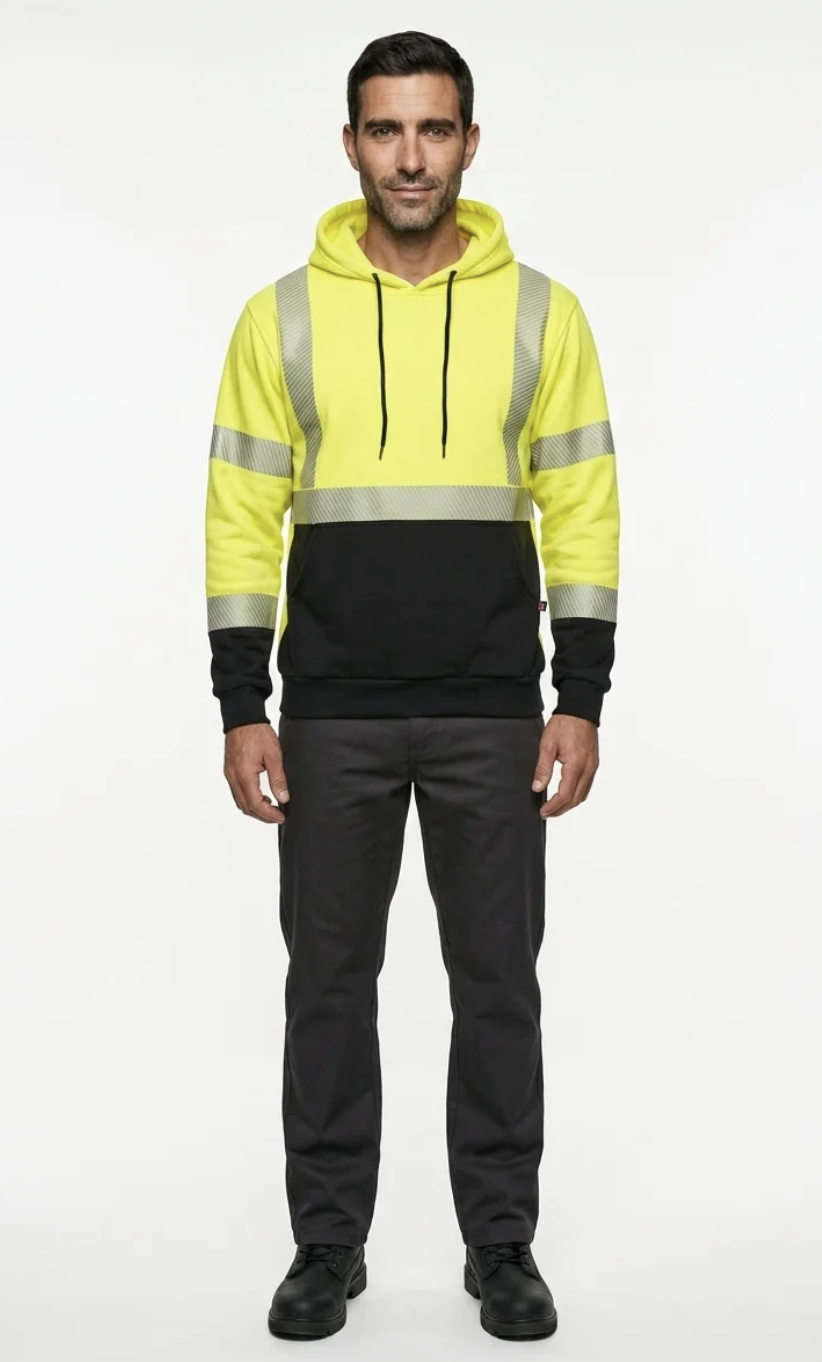
Inset: Flame resistant hoodies from Fireball Safety Workwear
Is Fire-Resistant Clothing Actually Safe?
Yes, fire-resistant clothing is safe when it meets the appropriate safety requirements and is used correctly. NFPA 2112, for example, specifies design, performance, certification, and testing requirements for FR clothing used where workers may face short-duration thermal exposure from fire.
However, FR clothing is not a guarantee against burns. It is designed to reduce injury during a specific type and duration of exposure. Workers can still suffer serious injuries if they are exposed to extreme heat or flames for too long.
This is important because protective clothing has limits. Firefighter guidance notes that fully developed fires can exceed 1,100°F, and second-degree burns can occur within seconds under severe thermal conditions.
How Does Fire Safety Clothing Protect Workers?
Fire safety clothing helps protect workers by slowing ignition and limiting continued burning. The garment can give a worker additional time to escape a dangerous area.
The clothing should also be worn correctly. Open cuffs, exposed skin, damaged fabric, or unsuitable layers underneath can reduce the level of protection provided.
Care is equally important. FR garments should be inspected regularly and replaced when they are damaged, heavily contaminated, or no longer meet the manufacturer’s requirements. NFPA 2113 provides guidance on the selection, care, use, and maintenance of FR garments.
What Standards Apply to Fire Safety Clothing?
The applicable standard depends on the type of fire or thermal hazard involved. NFPA 2112 is specifically focused on flame-resistant clothing for industrial personnel exposed to short-duration thermal exposures from fire.
NFPA 2113 covers the selection, care, use, and maintenance of garments that comply with NFPA 2112. It also makes clear that these garments are not intended for every type of firefighting operation or for electrical-flash protection.
For structural firefighters, different protective clothing standards apply. NFPA 1971, for example, covers protective ensembles including coats, trousers, helmets, gloves, and footwear.
Why Is Fire Safety Clothing Important?
Fire safety clothing is important because workplace injuries remain a major concern across the United States. The Bureau of Labor Statistics recorded 5,070 fatal work injuries in 2024, with a fatal injury rate of 3.3 deaths per 100,000 full-time-equivalent workers.
The same year, private industry employers reported about 2.5 million nonfatal workplace injuries and illnesses. These figures show why employers need to take workplace hazards seriously.
Fire-resistant clothing should be considered one part of a complete safety program. Employers should identify the hazard first, choose suitable PPE, train workers, and make sure garments are correctly fitted and maintained.
In short, fire safety clothing is safe and useful when it is appropriate for the hazard and meets the relevant safety standard, but it is not fireproof and should never be treated as a substitute for proper fire prevention, hazard controls, or emergency procedures.
