
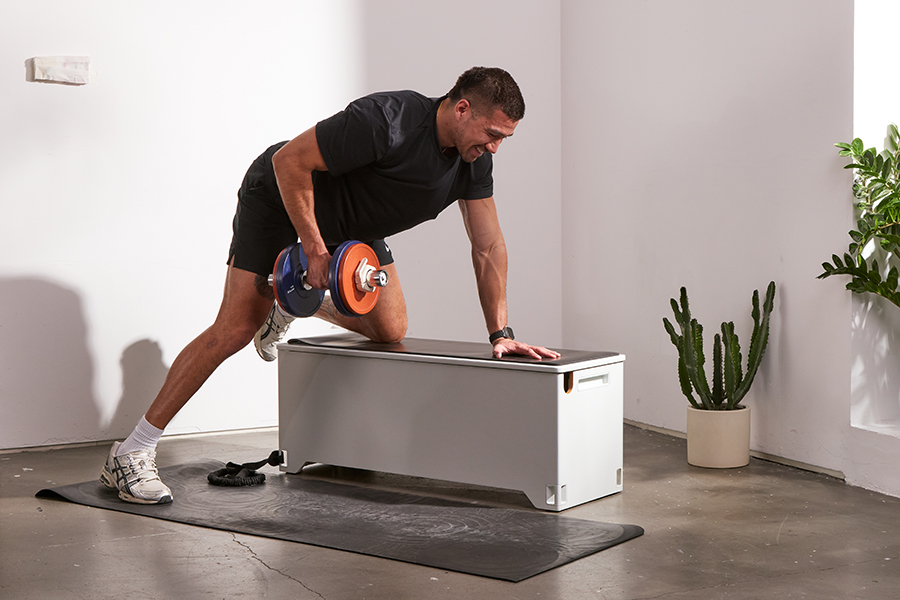
The way people exercise has changed dramatically over the past few years. What began as a temporary solution during lockdowns has become a long-term lifestyle choice for millions across the UK and beyond. Home gym workouts are no longer seen as a compromise or a second-best option. For many people, they are now the preferred way to stay fit, healthy and motivated.
The Covid-19 pandemic accelerated a trend that was already beginning to grow. Gym closures forced people to rethink how they exercised, and many discovered that working out at home could be more convenient, more affordable and easier to maintain around busy schedules. At the same time, technology made it possible for trainers, fitness instructors and gym members to stay connected remotely.
Even now that gyms have reopened, the demand for home workouts remains strong. People have invested in equipment, built routines around home fitness and embraced a more flexible approach to exercise.
Covid Changed Fitness Habits Forever
Before the pandemic, gyms and fitness studios were central to many people’s exercise routines. Classes, personal training sessions and social fitness communities were largely based in physical spaces. When restrictions were introduced in 2020, the entire industry had to adapt almost overnight.
Fitness professionals quickly turned to online platforms such as Zoom, FaceTime and Instagram Live to continue working with clients. Personal trainers began running virtual one-to-one sessions from their living rooms, while yoga teachers and fitness instructors streamed live classes to hundreds of people at once.
For many people, these online sessions became an essential part of daily life during lockdowns. Exercise was not only about physical health, but also mental wellbeing and routine. Working out at home helped people manage stress, improve mood and stay connected during a period of uncertainty.
As restrictions eased, something surprising happened. Rather than abandoning home workouts, many people continued with them. They had become comfortable exercising at home and appreciated the flexibility it offered.
Personal Trainers Are Working Remotely
The rise of home fitness has also transformed the role of personal trainers and instructors. Remote coaching is now a major part of the fitness industry, with many professionals offering virtual services alongside face-to-face sessions.
Platforms such as Zoom and FaceTime allow trainers to coach clients in real time, correcting form, demonstrating exercises and creating personalised workout plans without needing to meet in person. Some trainers also use apps that track workouts, nutrition and progress remotely.
For trainers, this shift has reduced many of the overhead costs associated with traditional gym-based work. Renting studio space or paying commission fees to gyms can be expensive. By working online, trainers can reach more clients while keeping costs lower.
Remote coaching also gives fitness professionals greater flexibility. Trainers are no longer limited by location and can work with clients anywhere in the country, or even internationally. This has opened up new opportunities for independent fitness businesses and allowed many trainers to create more sustainable careers.
Clients benefit as well. Virtual training sessions are often cheaper than in-person appointments, and they remove the need to travel to a gym. For busy professionals, parents or people who feel intimidated by gym environments, online coaching can feel far more accessible.
The Equipment People Are Buying For Home Gym Workouts
As home workouts became more popular, sales of fitness equipment surged. During lockdowns, many retailers struggled to keep up with demand for weights, exercise bikes and resistance bands.
One of the biggest trends has been the popularity of compact and versatile equipment. People want products that fit easily into spare rooms, garages or living spaces without taking over the home. See this example from Fittle below which is an all-in-one gym box that includes plates, weights and more and the box is also used as a bench.
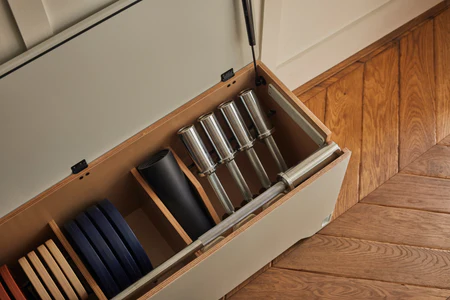
Source: fittle.fit
Dumbbells and kettlebells remain among the most popular purchases because they can be used for a wide range of strength exercises. Adjustable dumbbells have become especially popular as they save space while offering multiple weight options in one piece of equipment.
Resistance bands have also seen huge growth. They are affordable, lightweight and suitable for all fitness levels. Many online trainers use resistance bands in virtual classes because clients can store them easily and use them in small spaces.
Exercise mats became a lockdown essential as more people started practising yoga, Pilates and bodyweight training at home. Foam rollers and mobility tools also gained popularity as people became more aware of recovery and flexibility.
Cardio equipment experienced a major boom as well. Treadmills, rowing machines and exercise bikes became highly sought after during the pandemic. Smart fitness products such as Peloton bikes and connected rowing machines introduced a more interactive home workout experience, allowing users to join live classes and compete with others virtually.
Technology has played a significant role in making home workouts more engaging. Fitness apps, smart watches and online subscription platforms now provide guided sessions, workout tracking and personalised coaching from home.
Convenience Is Driving Long-Term Growth of Home Workouts
The continued growth of home fitness comes down to one key factor: convenience. People are looking for ways to fit exercise into increasingly busy lives, and home workouts remove many of the barriers associated with traditional gyms.
There is no commute, no waiting for equipment and no pressure to exercise at specific times. People can work out before work, during lunch breaks or late in the evening without leaving the house.
Home fitness also appeals to those seeking privacy. Some people feel more confident exercising at home, particularly beginners who may feel uncomfortable in crowded gym environments.
The financial aspect matters too. While some people invest heavily in home gym setups, others find that simple equipment and online classes are far more affordable than ongoing gym memberships.
A Hybrid Future for Fitness
The future of fitness is likely to be hybrid. Many people now combine gym visits with home workouts depending on their schedules and goals. Trainers are continuing to offer both online and in-person coaching, giving clients more flexibility than ever before.
Home gym workouts are no longer just a trend that emerged during lockdown. They represent a lasting shift in how people approach health and exercise. The combination of technology, convenience and accessibility has permanently changed the fitness industry.
What started as a response to a global crisis has evolved into a new way of working out, and for many people, there is no going back.
