
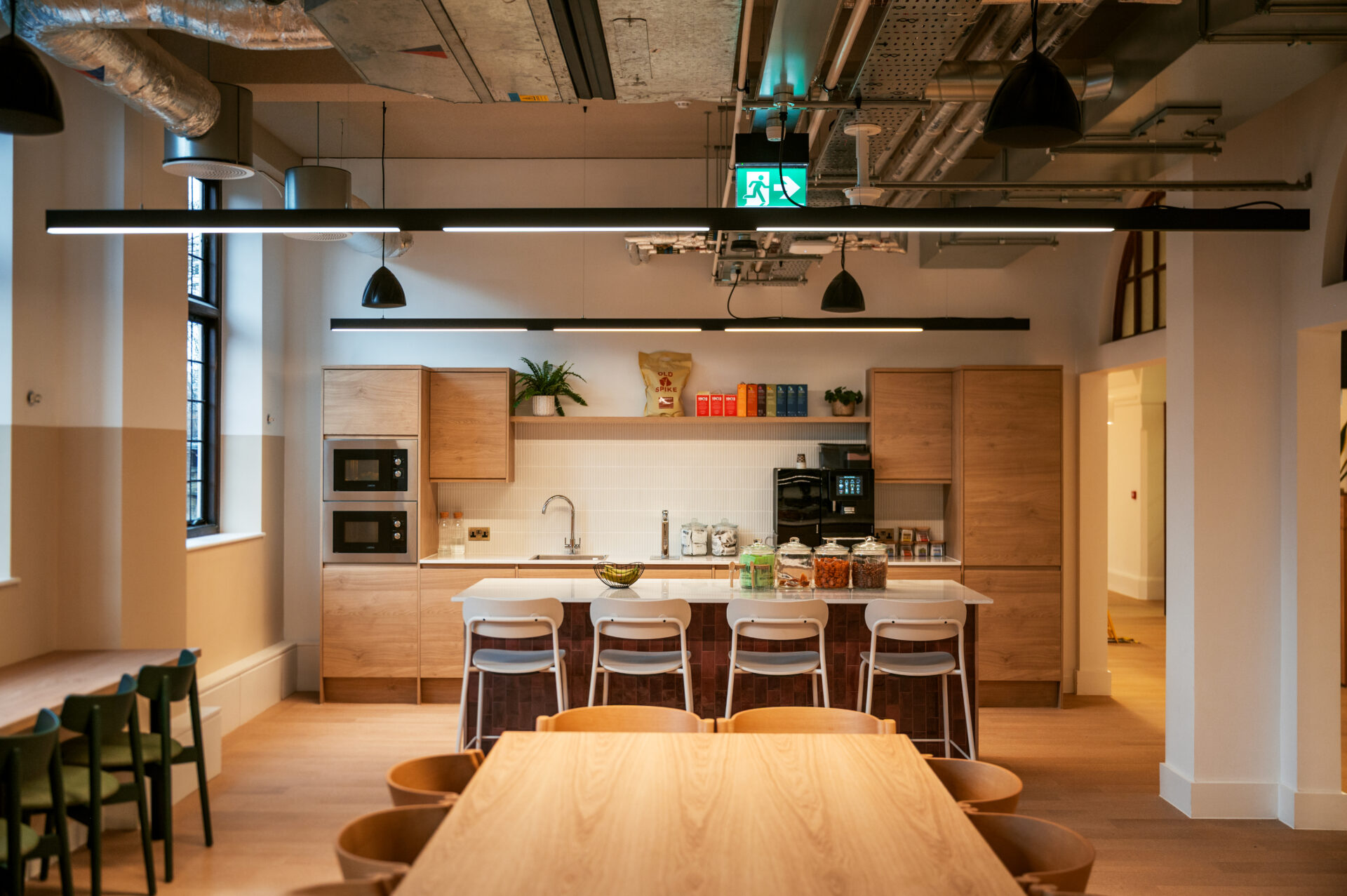
A good office environment can make a big difference to how people work, feel and perform each day. A well-designed workplace can help staff concentrate, reduce stress, encourage teamwork and improve their overall mental health. From natural light and comfortable furniture to good facilities and a convenient location, the right office can create a happier, healthier and more productive workforce.
Key Points
- Office design and layout can improve concentration, comfort and productivity.
- A good location and access to local amenities can encourage healthier lifestyles and make commuting easier.
- Facilities such as gyms, breakout areas and food spaces can support physical health, social connections and mental wellbeing.
Office Design and Layout Matters
“The way an office looks and feels can have a big impact on the people working there,” explains Joe Gillam, co-founder of office fit out company, Soul Spaces.

“A cramped, noisy or poorly lit workspace can make it harder to concentrate, while a bright, comfortable and well-planned office can help staff feel more relaxed and motivated.”
A good office design might include:
- Plenty of natural light and large windows.
- Comfortable desks and adjustable office chairs.
- Open-plan areas for teamwork and communication.
- Quiet rooms or private spaces for focused work.
- Meeting rooms with suitable technology.
- Plants and natural materials to create a calmer atmosphere.
- Good heating, cooling and ventilation.
- Soundproofing to reduce noise and distractions.
- Comfortable breakout areas for relaxing.
- Accessible facilities and clear walkways.
- Bike storage and shower facilities.
- A clean, well-equipped kitchen and food area.
These features can help create a space where employees feel comfortable spending time. Natural light, in particular, can make an office feel more welcoming, while plants and views of the outdoors can help create a calmer working environment.
Having a choice of working areas is also important. Some tasks require quiet and concentration, while others involve discussion and teamwork. Providing different spaces allows employees to choose the environment that best suits what they are doing.
Why Office Location Is Important
The location of an office can be just as important as its design. A workplace that is easy to reach can reduce the stress of commuting and help employees achieve a better work-life balance.
Good public transport links, nearby roads and convenient parking can make travelling to work easier. Offices within walking or cycling distance of residential areas can also encourage staff to build more physical activity into their daily routine.
Being able to walk or cycle to work can provide regular exercise and help people start and finish their day feeling refreshed. Secure bike storage, showers and changing facilities can make this option even more attractive.
Local amenities are another important consideration. Having nice cafes, restaurants, shops and parks nearby gives employees somewhere to go during lunch breaks or after work. A nearby park, for example, provides an opportunity to get outside, enjoy some fresh air and take a break from screens.
These small things can make a workplace more appealing and help employees enjoy their time at work.
Office Facilities That Support Health and Wellbeing
Modern offices should offer more than just desks and meeting rooms. Additional facilities can help staff look after their physical health, meet colleagues and take proper breaks.
An on-site gym or fitness area is a useful feature, giving employees the opportunity to exercise before work, during lunch or after finishing for the day. Google started the wave of offices have gyms on premises, something that is alot more common now. Even a short workout can help people feel more energetic and provide a welcome break from sitting at a desk.
Breakout areas are equally important. Comfortable seating, informal meeting spaces and shared social areas give colleagues somewhere to chat, relax and get to know one another. These spaces can help build stronger working relationships and reduce feelings of isolation.
A dedicated food area or staff kitchen is another valuable addition. Having somewhere to prepare food, eat lunch and enjoy a proper break encourages employees to step away from their desks rather than working through the day.
The Link Between Office Environments and Mental Health
A positive working environment can support mental health by reducing everyday pressures and helping employees feel more comfortable and connected.
This is particularly important when work-related stress remains a major issue. According to the Health and Safety Executive, an estimated 964,000 workers in Great Britain experienced work-related stress, depression or anxiety during 2024/25. This resulted in around 22.1 million working days being lost.
Research from the CIPD’s Good Work Index 2025 also found that 25% of UK workers felt their job had a negative effect on their mental health.
Although office design alone cannot solve workplace stress, providing comfortable surroundings, quiet spaces and areas to socialise can help create a more supportive atmosphere.
Creating a Happier and More Productive Workplace
A good office should be somewhere people want to spend time, not simply somewhere they have to go to complete their work.
By investing in thoughtful design, a convenient location and facilities that support a healthy lifestyle, businesses can create a better experience for their employees.
Ultimately, when people feel comfortable, supported and happy in their surroundings, they are more likely to enjoy coming to work, build positive relationships with colleagues and perform at their best.
See also: Hybrid working is good for mental health
